Tidal Tile
Dive in and explore the deep blue sea in Tidal Tile, a relaxing yet challenging puzzle game where you match 3 tiles to clear the board.
After leaving a long-term project within the company, I joined a new team with the challenge of revitalising a game that had spent nearly a year in pre-production without a clear path forward. The project faced challenges on multiple fronts, from unresolved art direction questions to a Unity hierarchy that had become increasingly difficult to maintain and scale.
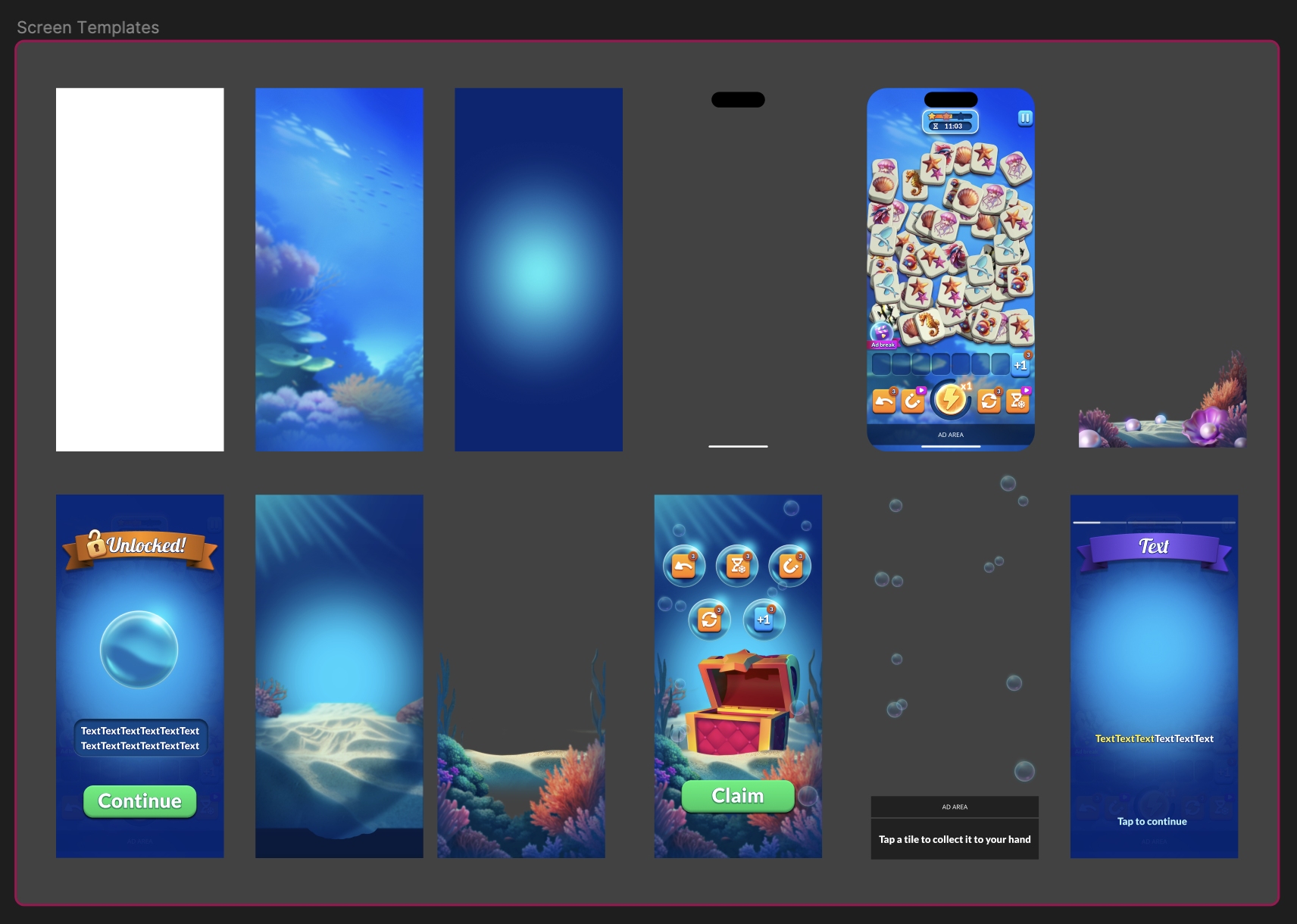
A key part of my role was identifying and addressing the structural issues that were slowing development. Alongside refining the visual direction, I focused on establishing more efficient art workflows and creating stronger alignment between Figma and Unity. By introducing a shared atomic design approach across both tools, we were able to improve consistency, reduce implementation friction, and build a more scalable foundation for future development.
Contributions
Art Direction
UI & UX
Unity Implementation
Animation
Team Management
Revamping an existing game
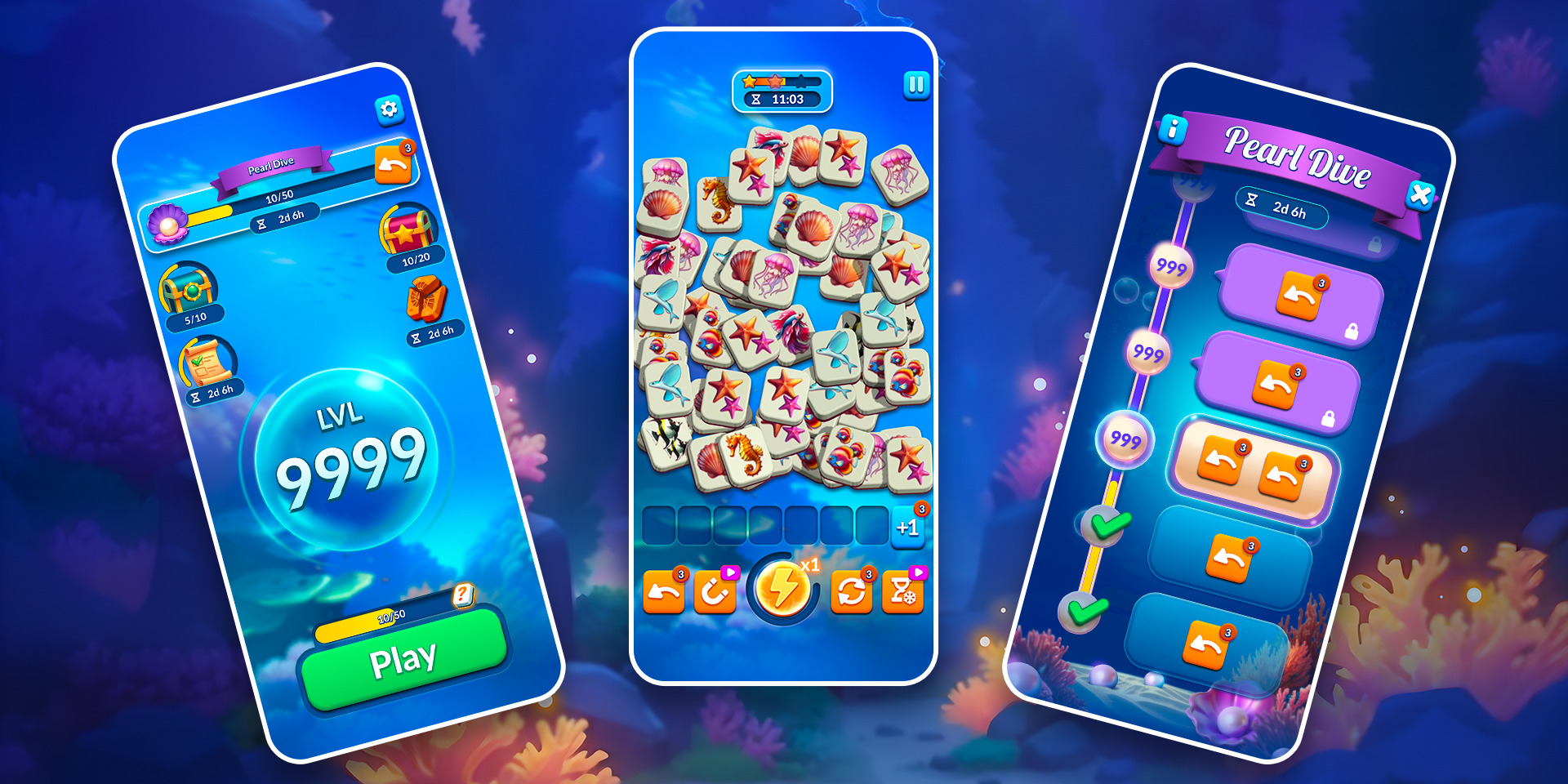
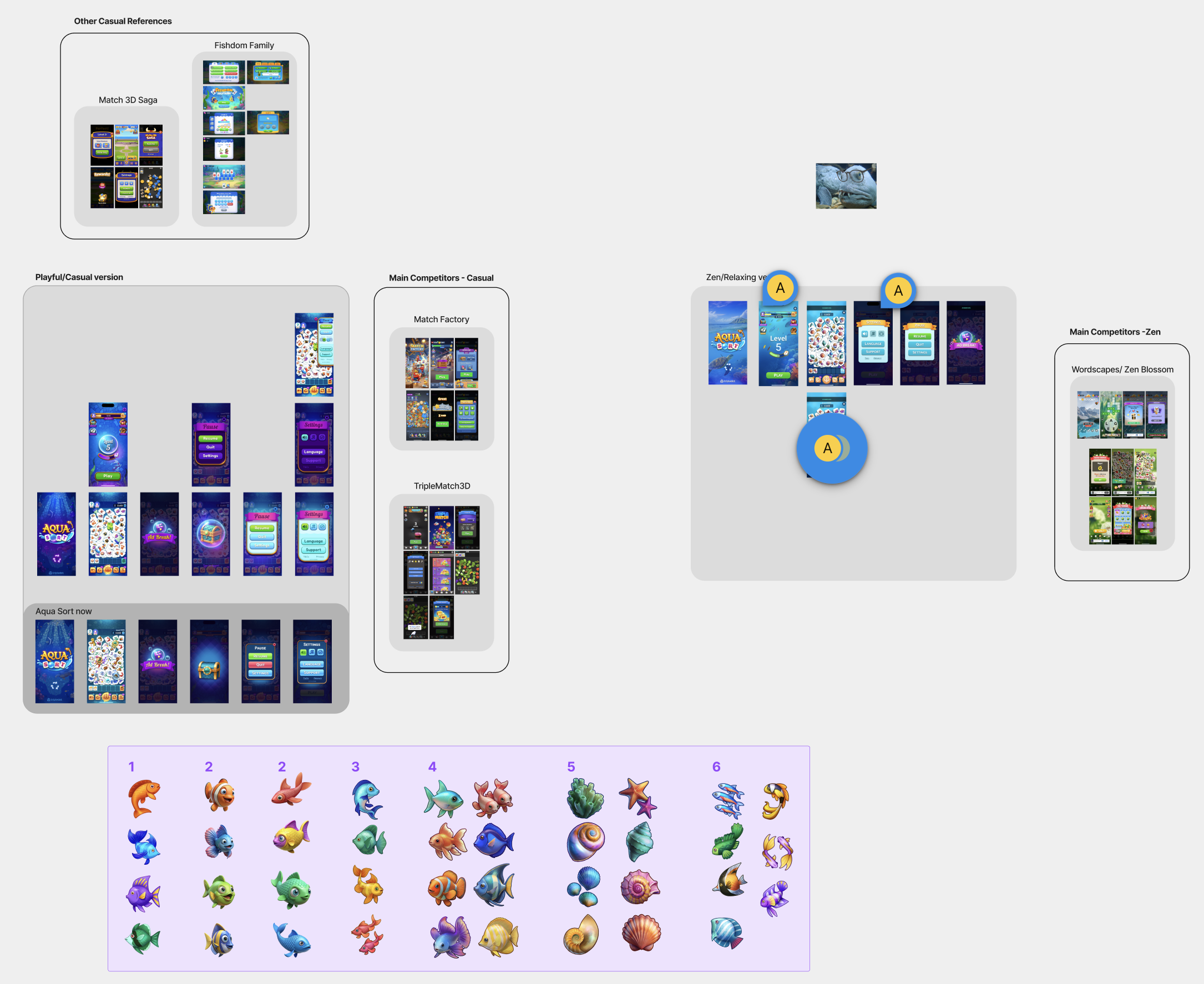
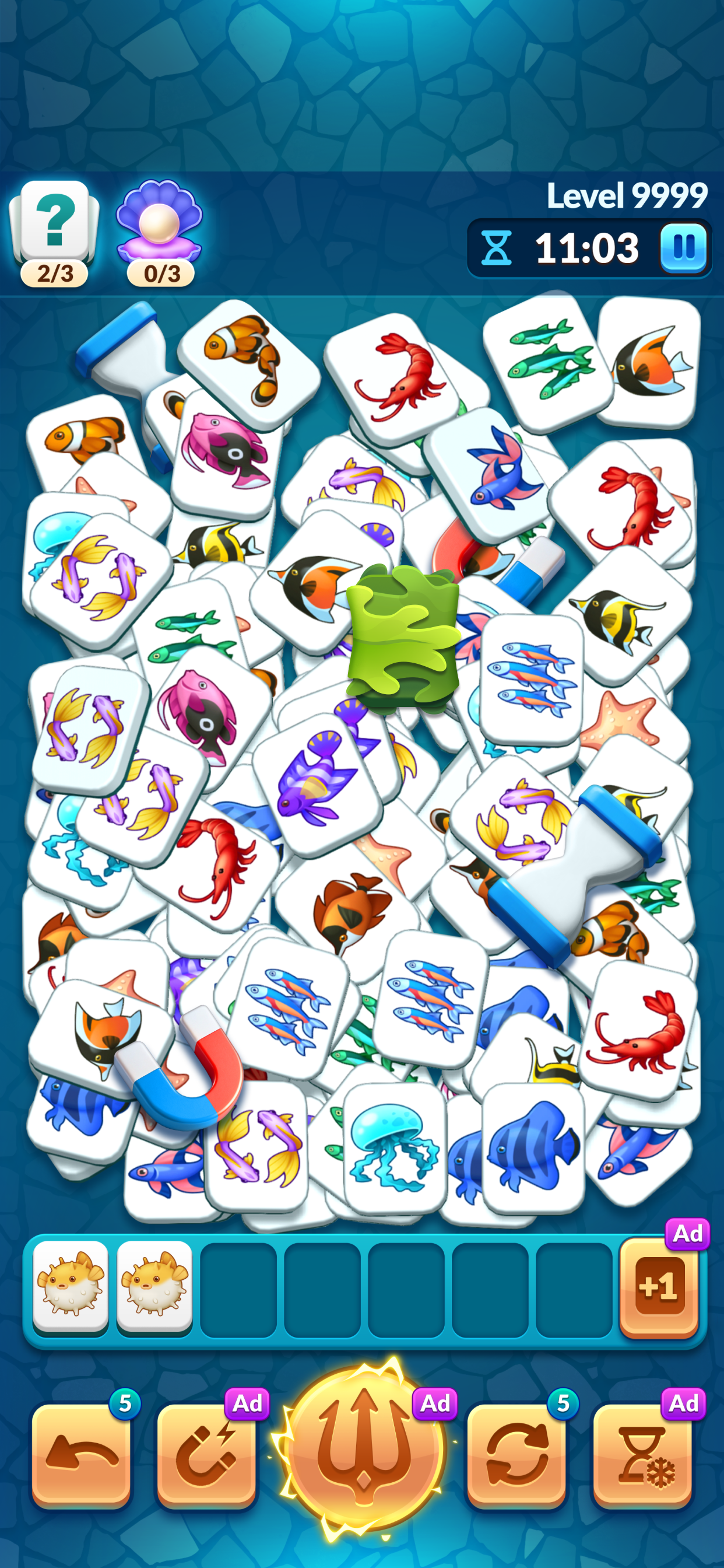
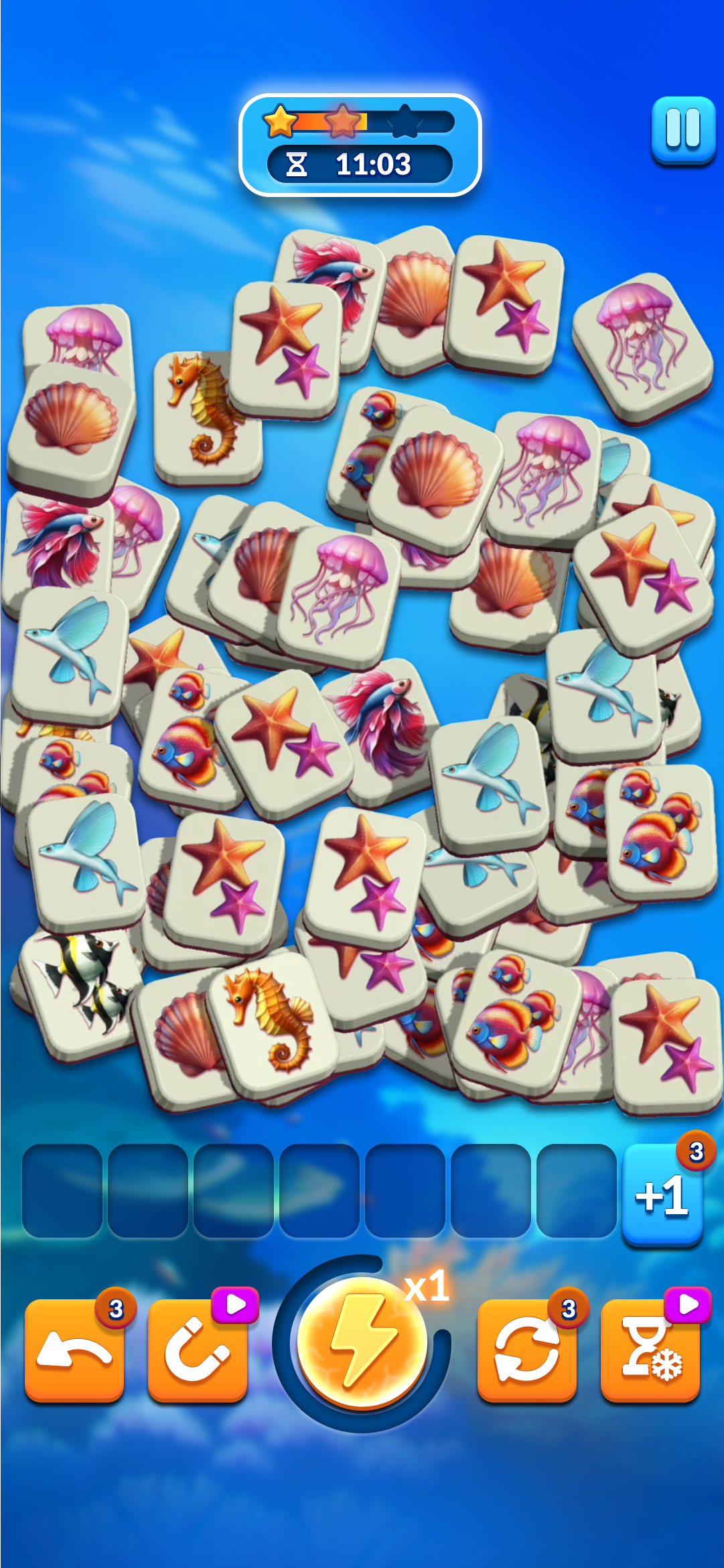
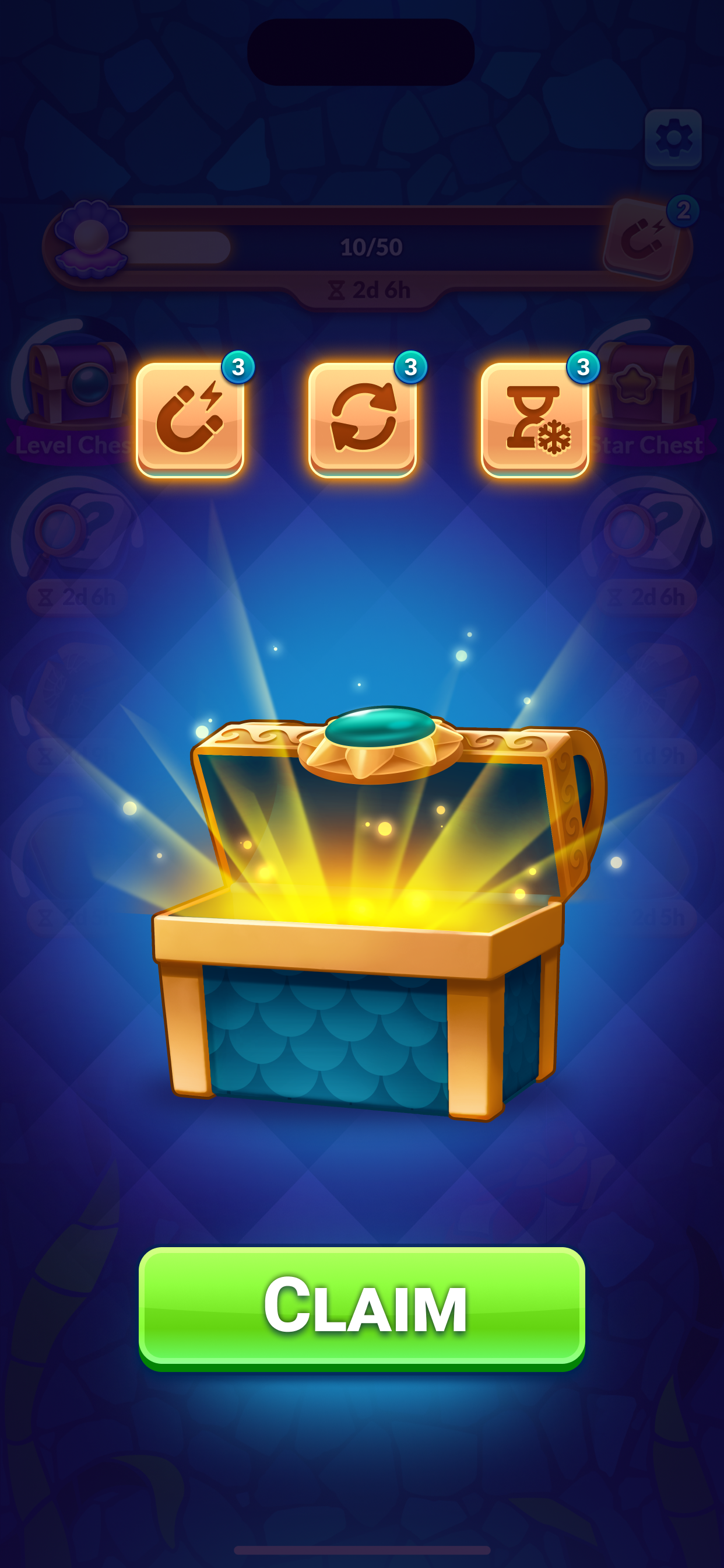
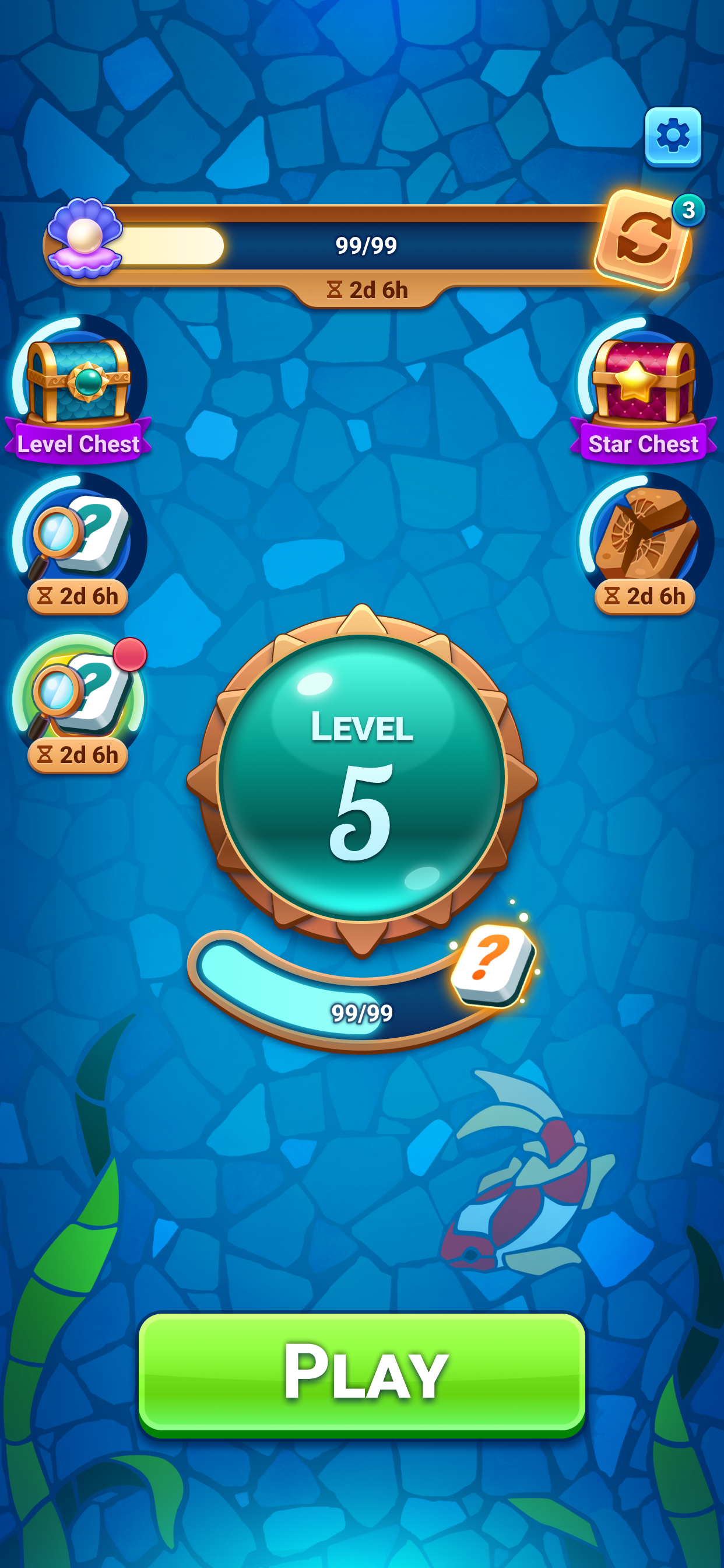
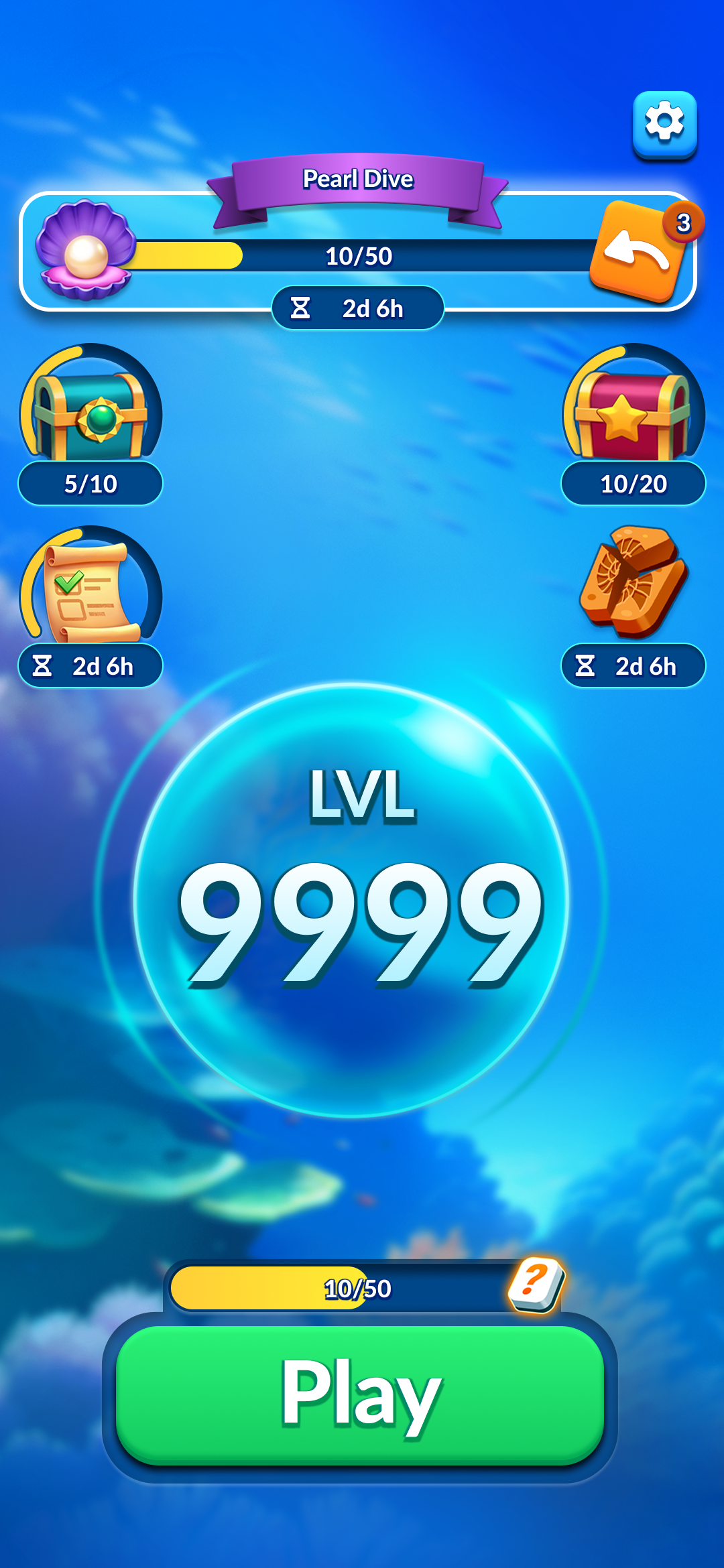
The game's existing visual style wasn't fundamentally broken, but it wasn't connecting with the audience we wanted to reach. Stakeholder feedback consistently pointed to a mismatch between the art direction and player expectations, with the overall aesthetic feeling a little too old school for the target market.
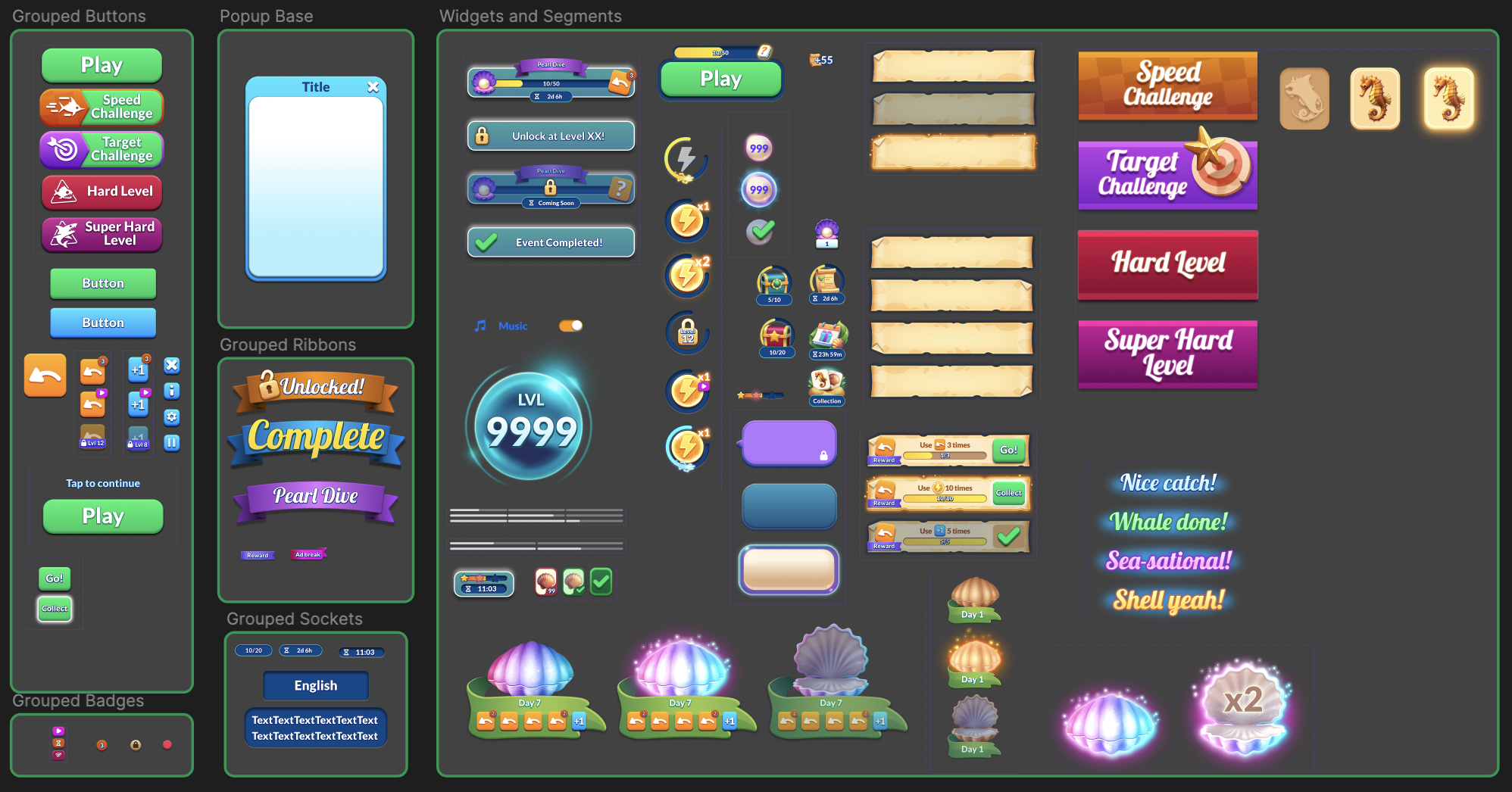
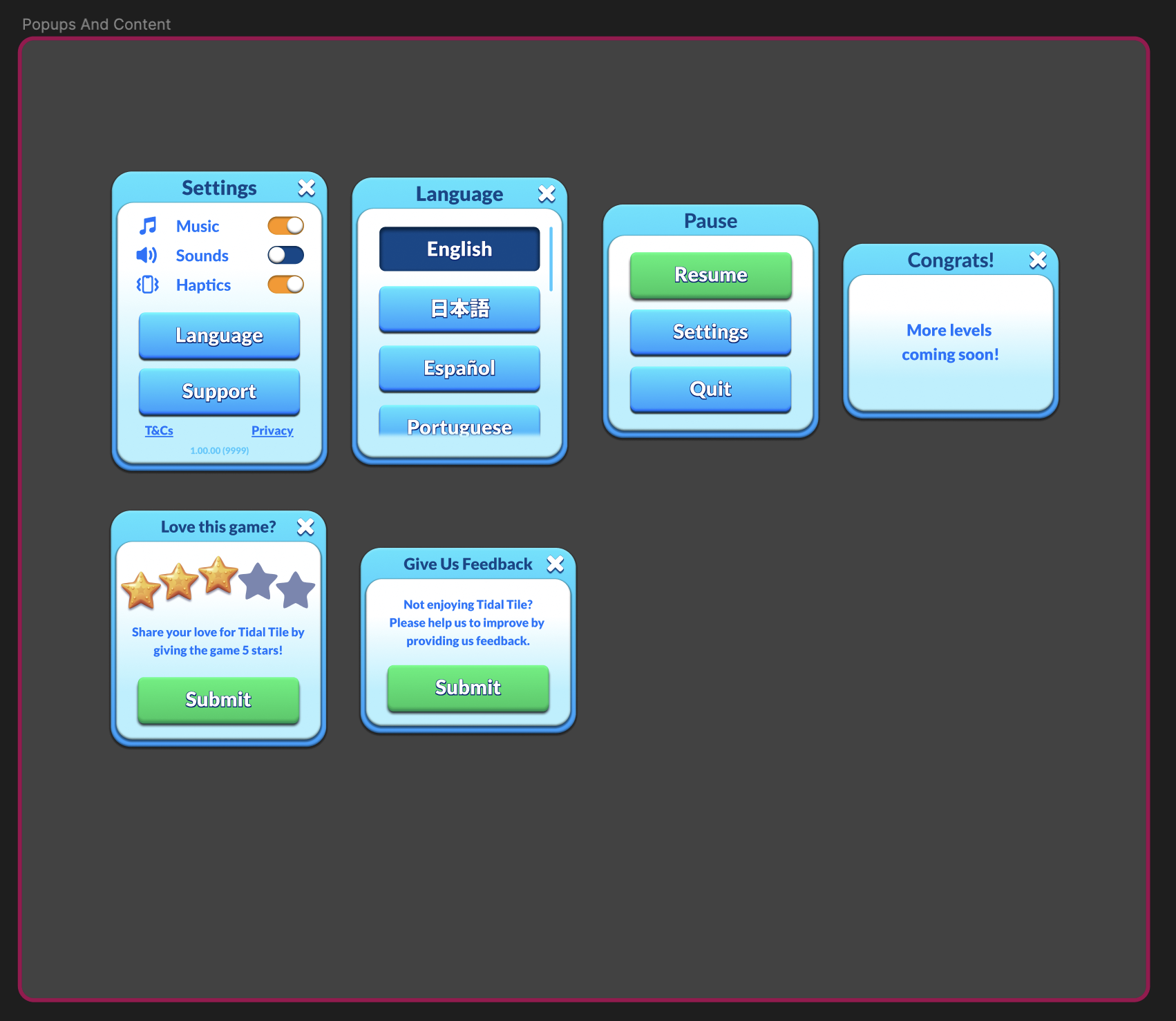
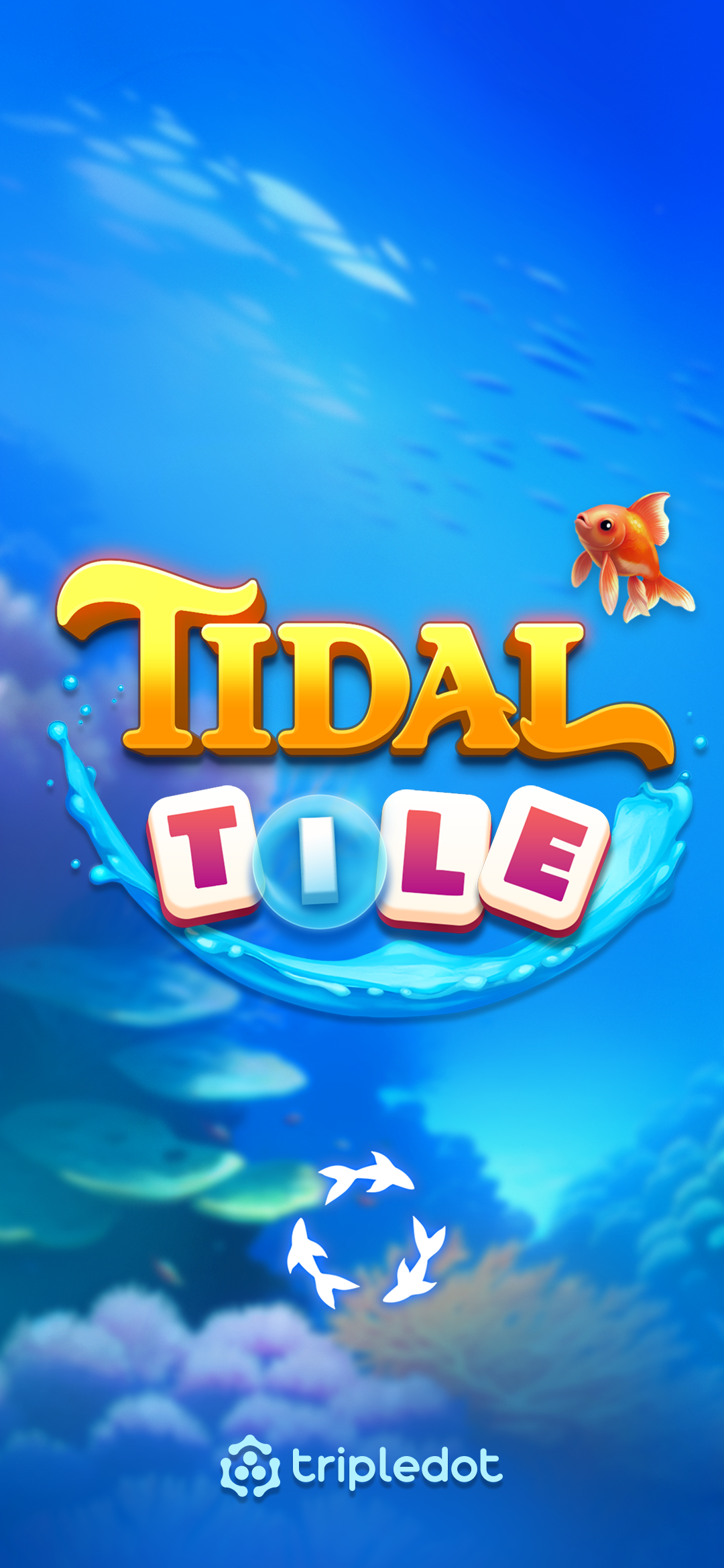
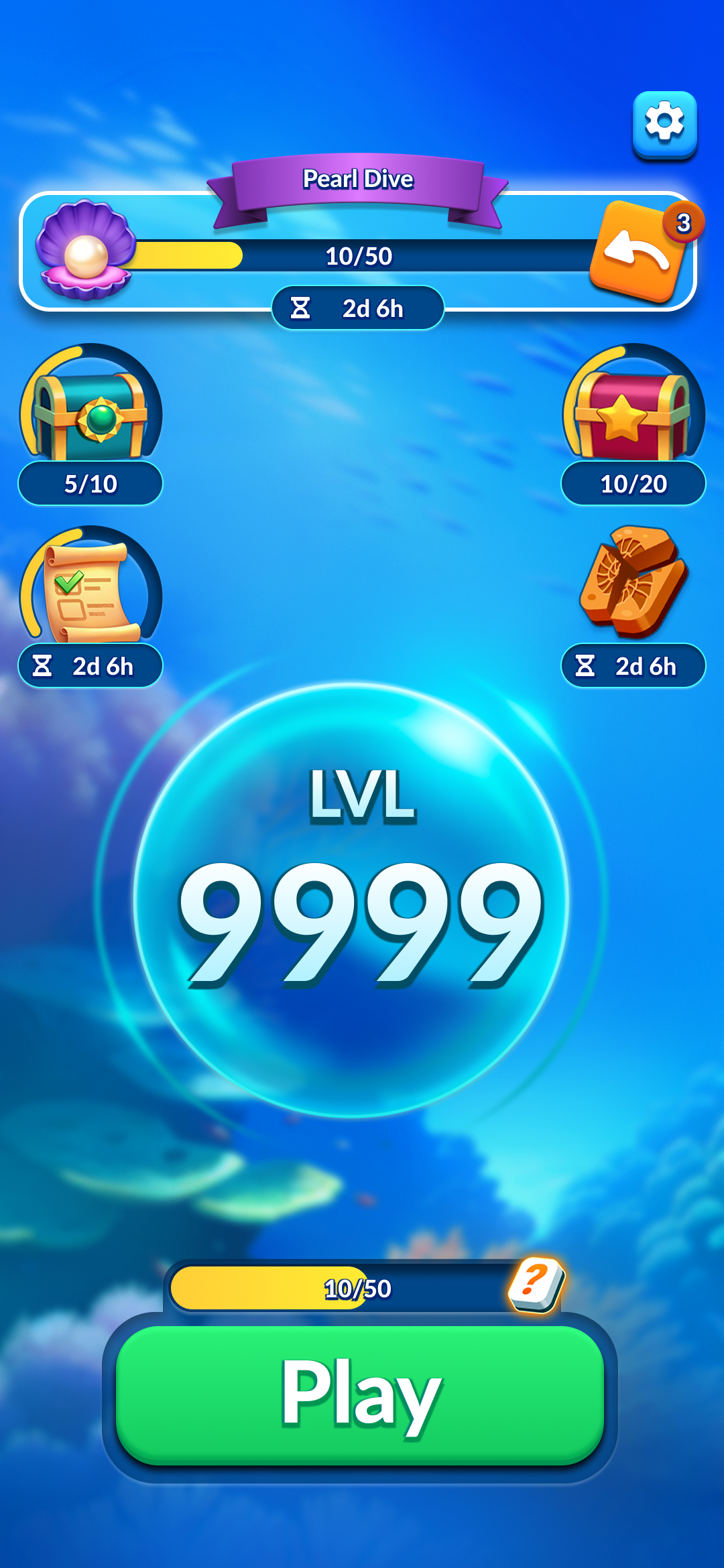
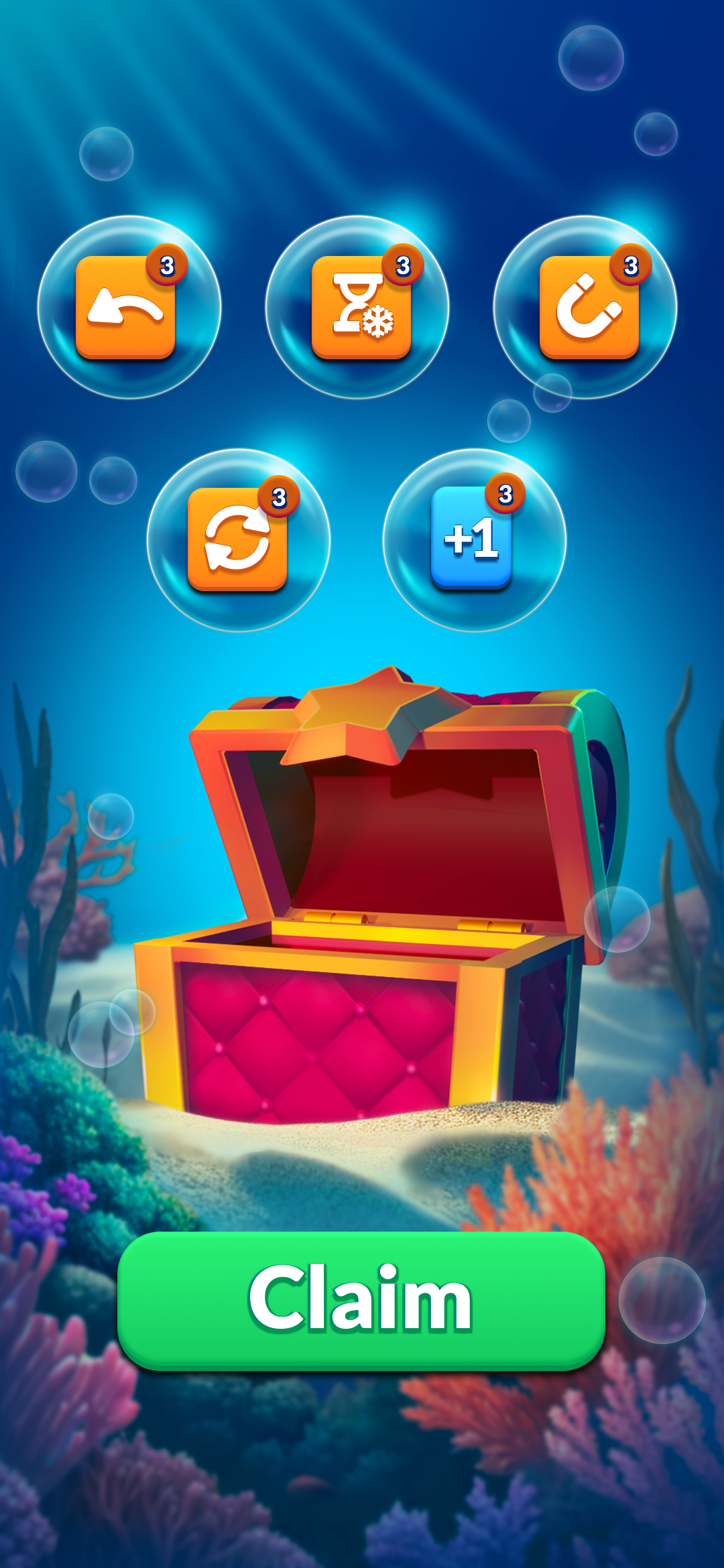
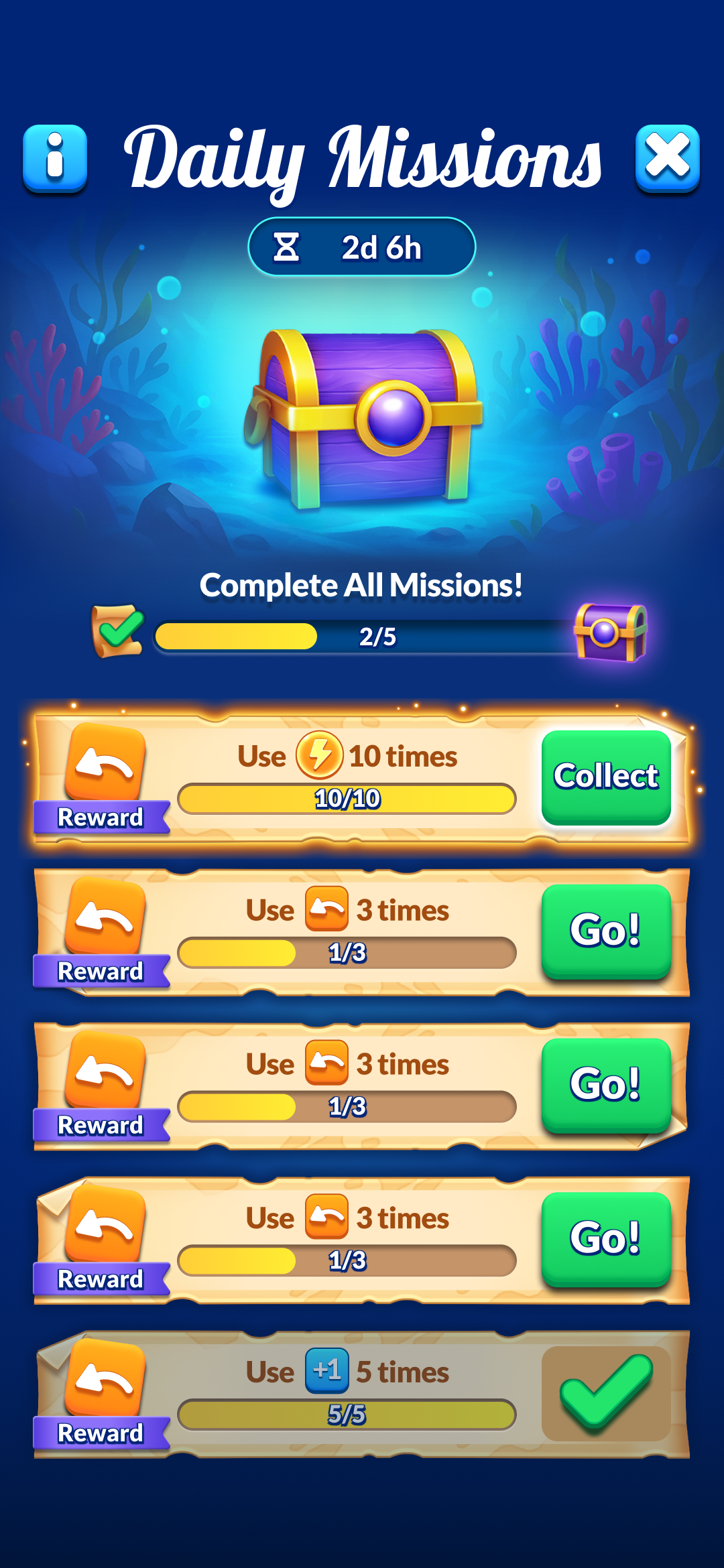
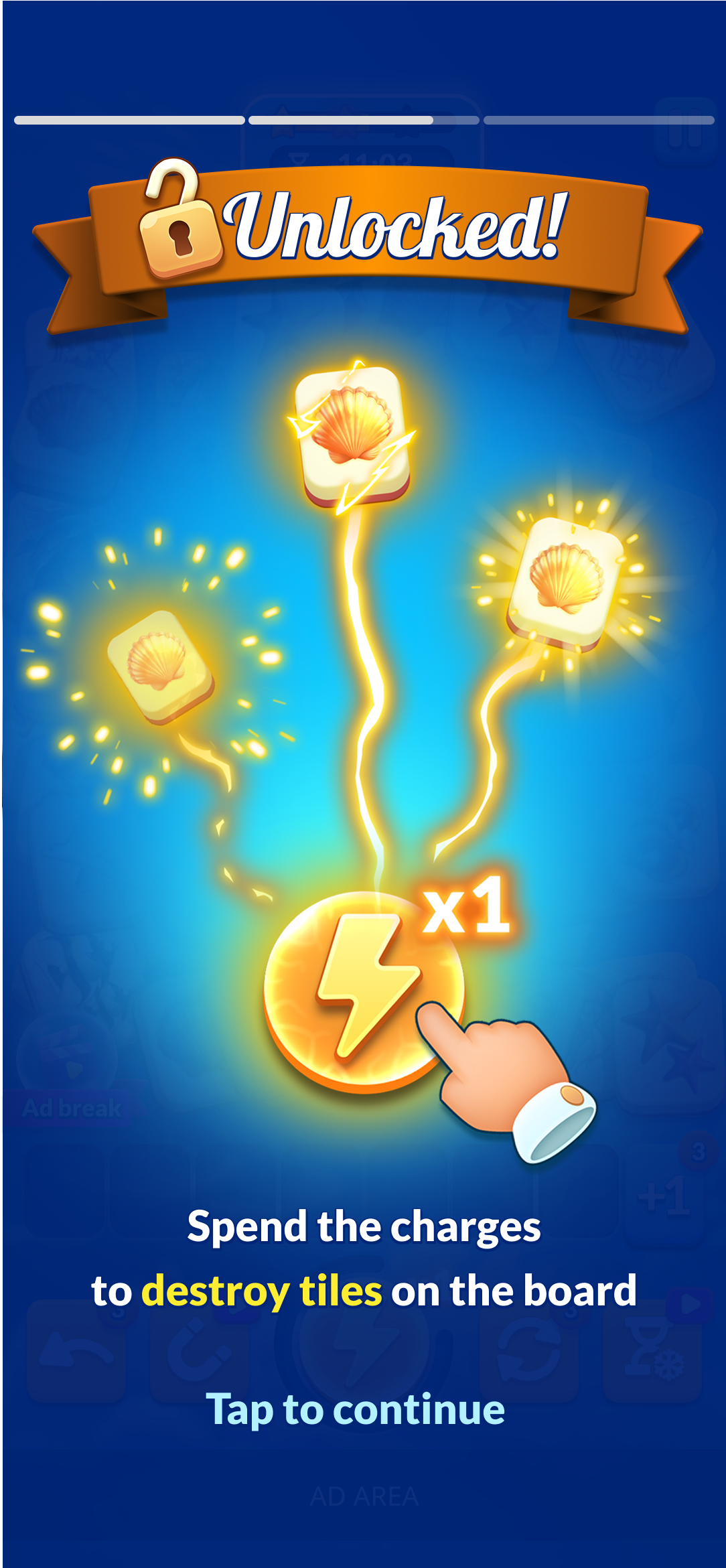
Once we identified the core issue, we quickly explored a range of visual treatments that built on the existing foundation rather than starting from scratch. Through a series of rapid concepts, we tested different approaches to colour, shape language, and overall tone. We ultimately landed on a bright, playful direction filled with soft forms and vibrant colours. The goal was to make the game feel bubbly, cheerful, and approachable. more like a relaxing day snorkelling in crystal-clear waters than a perilous hunt for buried pirate treasure.
A robust and scalable design system
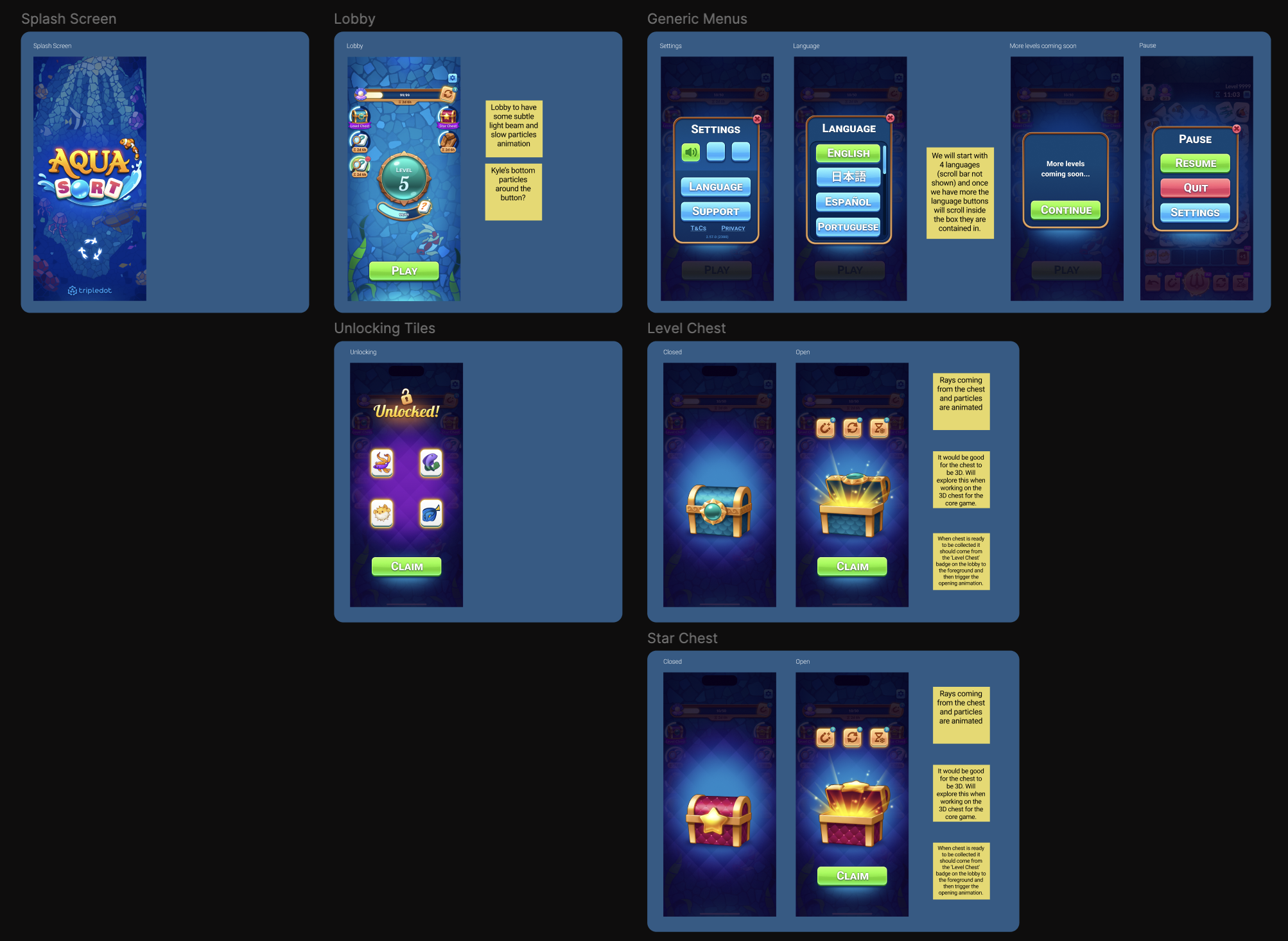
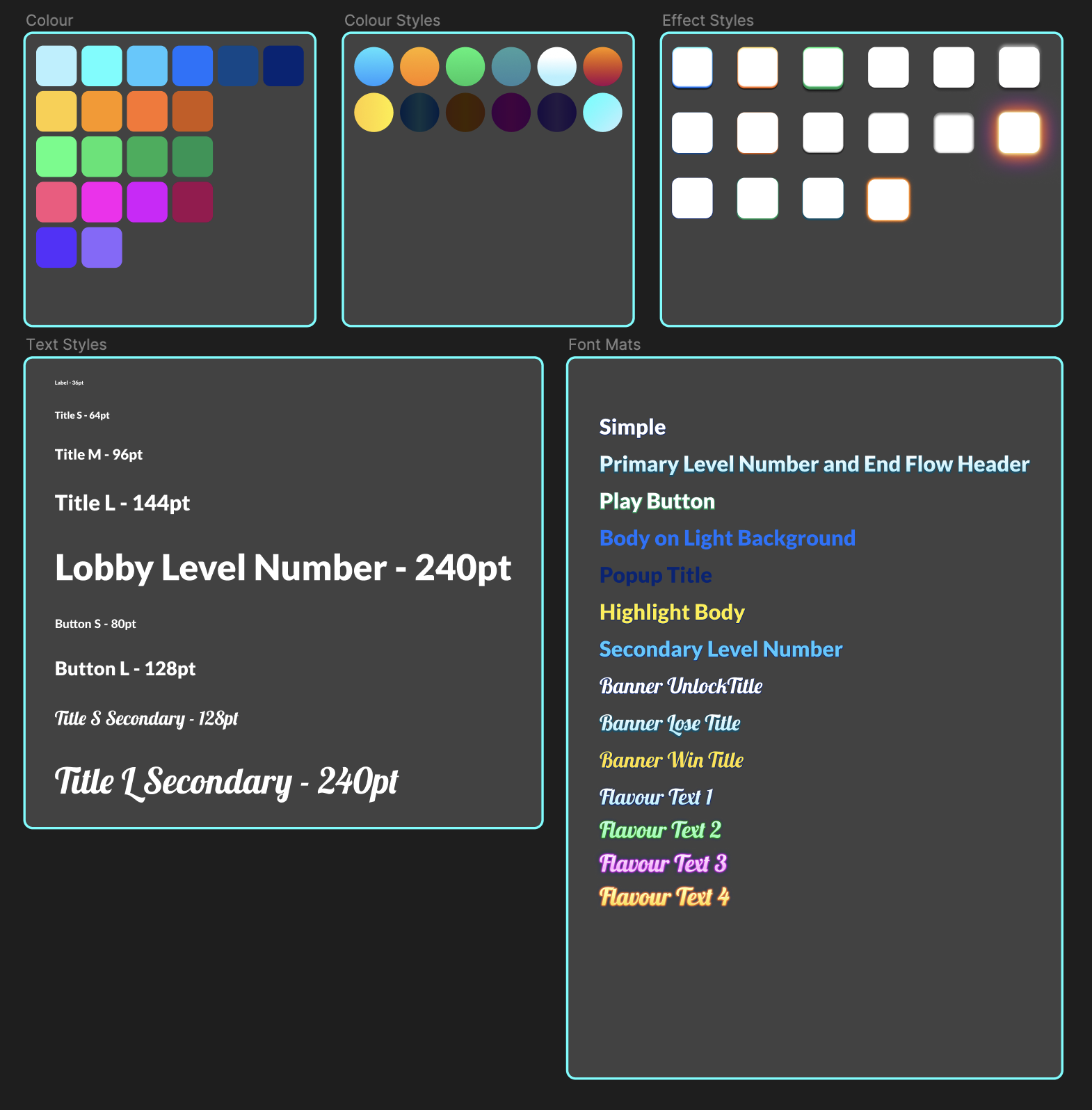
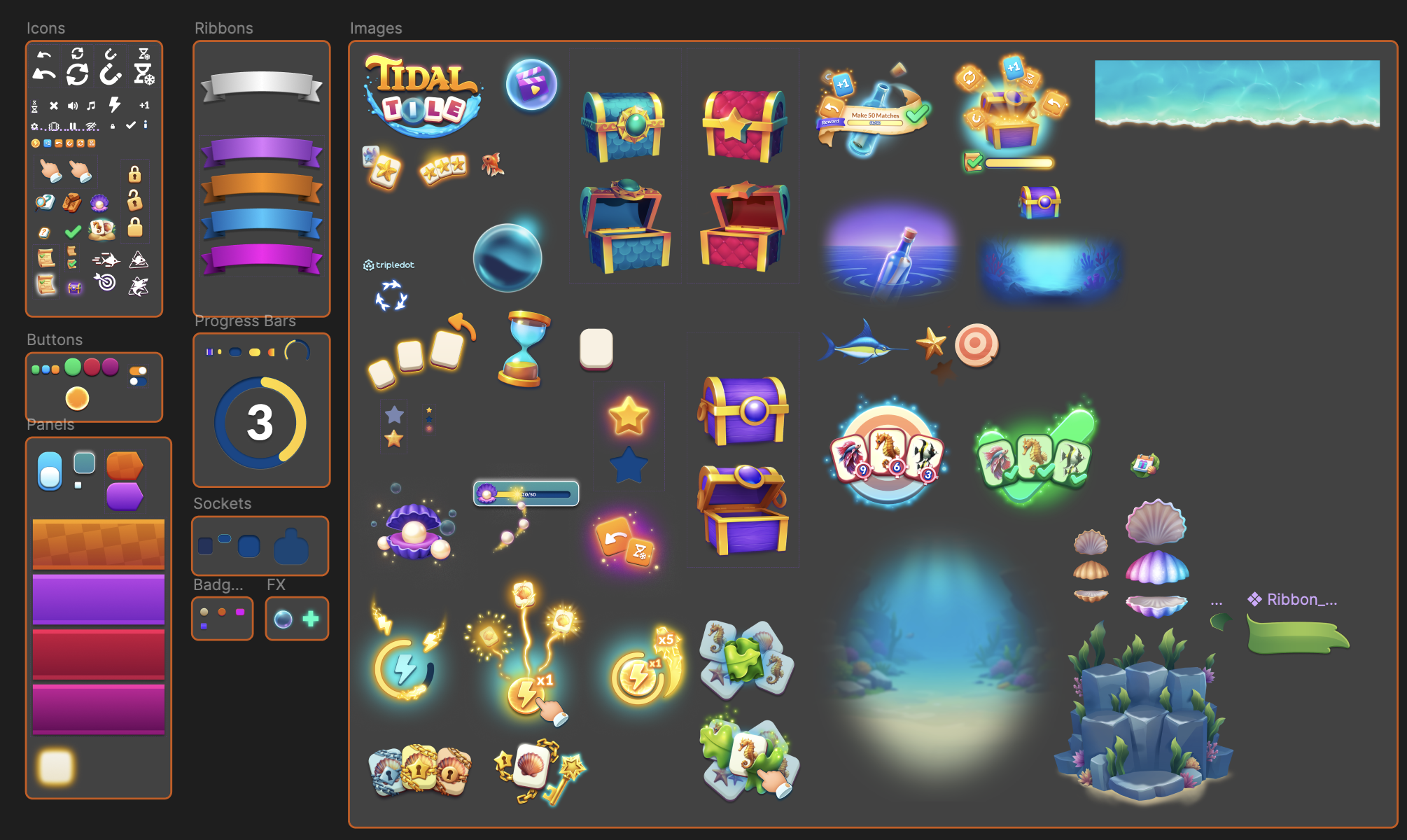
One of my key goals on the project was to modernise the team's design workflow. On previous projects, I had been driving a shift away from traditional Adobe centric processes towards a more scalable, system driven approach using Figma. While I was already familiar with these workflows, much of the team was new to them, so a significant part of my role involved helping everyone get up to speed.
Through hands on workshops, one to one support, and plenty of learning by doing, I helped the team adopt a design system mindset and become comfortable working within Figma's component based workflow. At the same time, I encouraged artists to take greater ownership of how their work was implemented in Unity, working closely with technical artists to bridge the gap between design and development, empowering both sides. The result was a more collaborative, efficient process that improved consistency across the project while giving the team valuable new skills that extended far beyond this game.
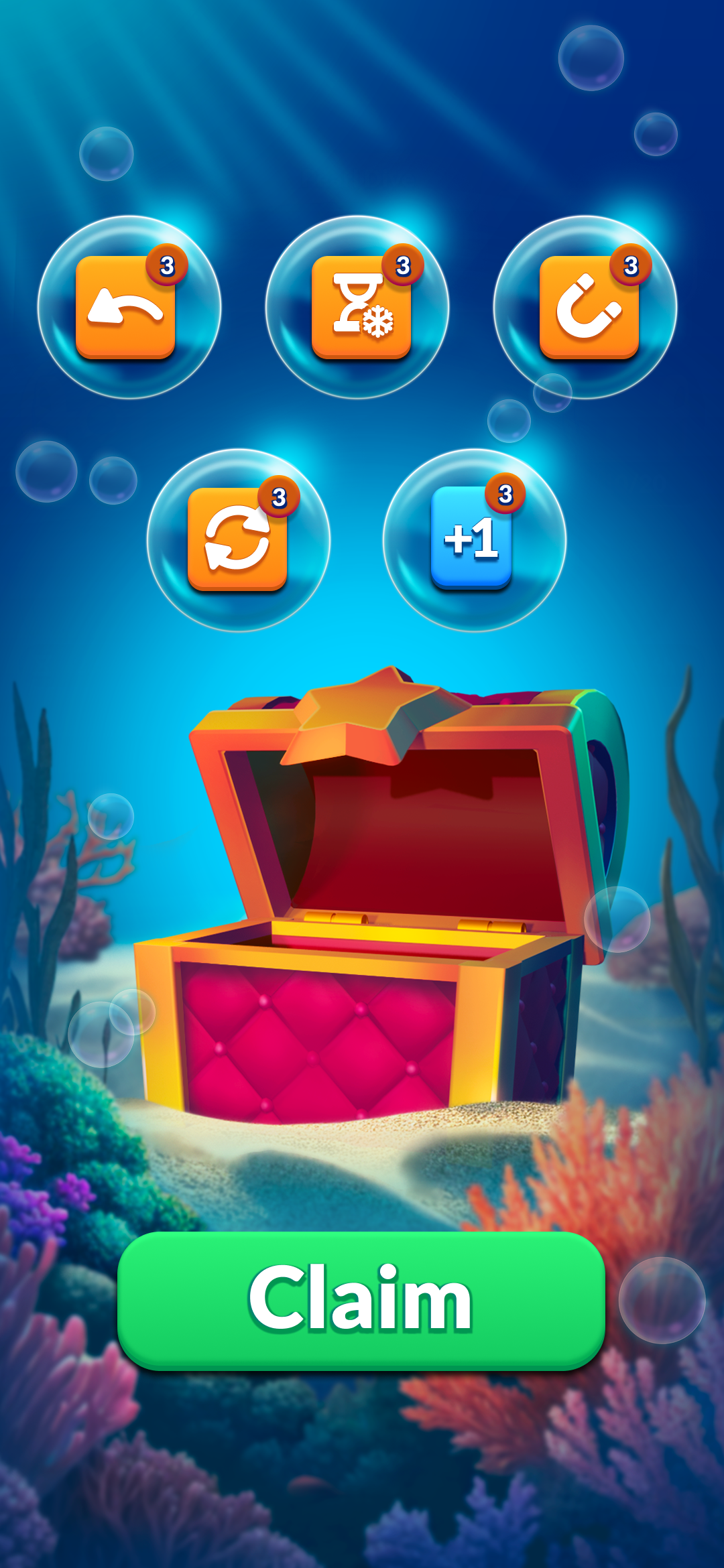
Screenshots
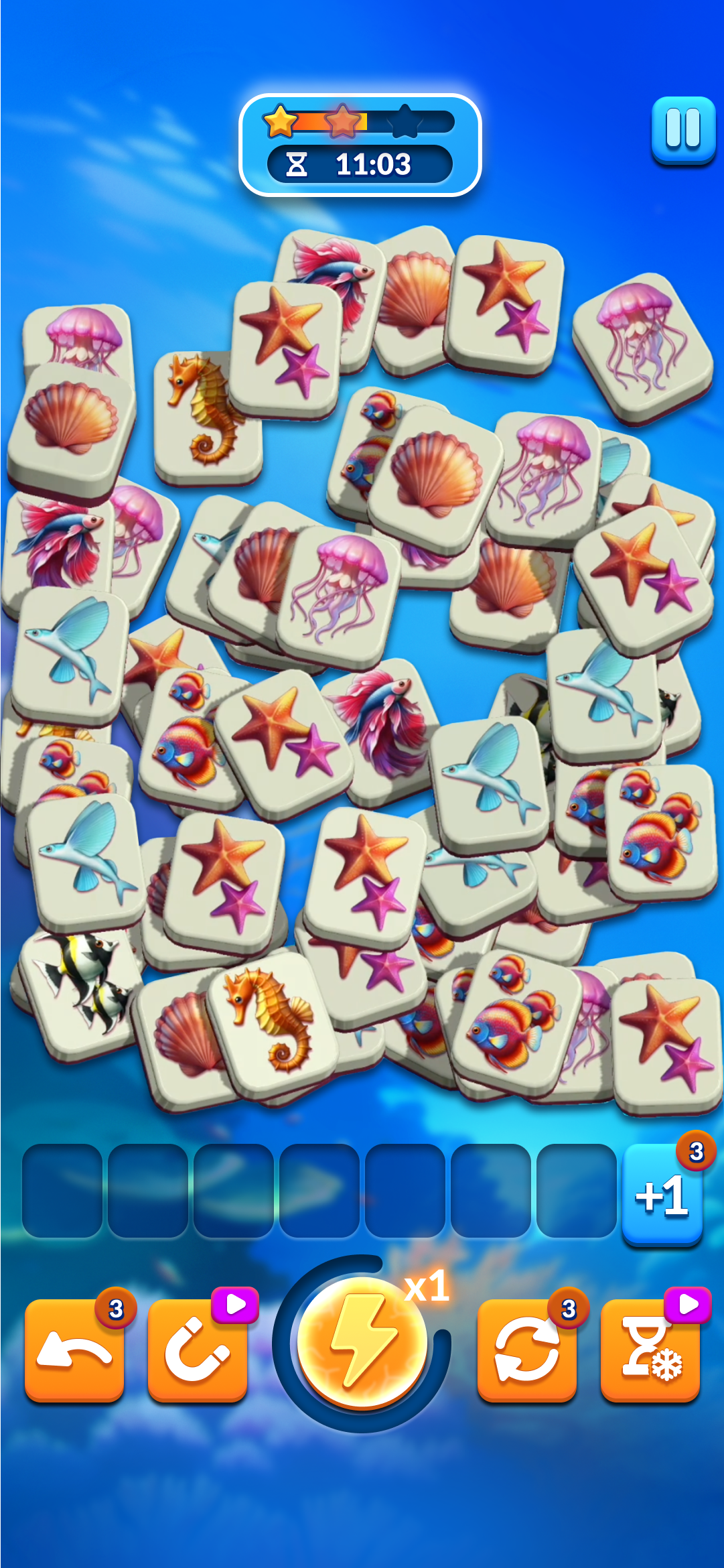
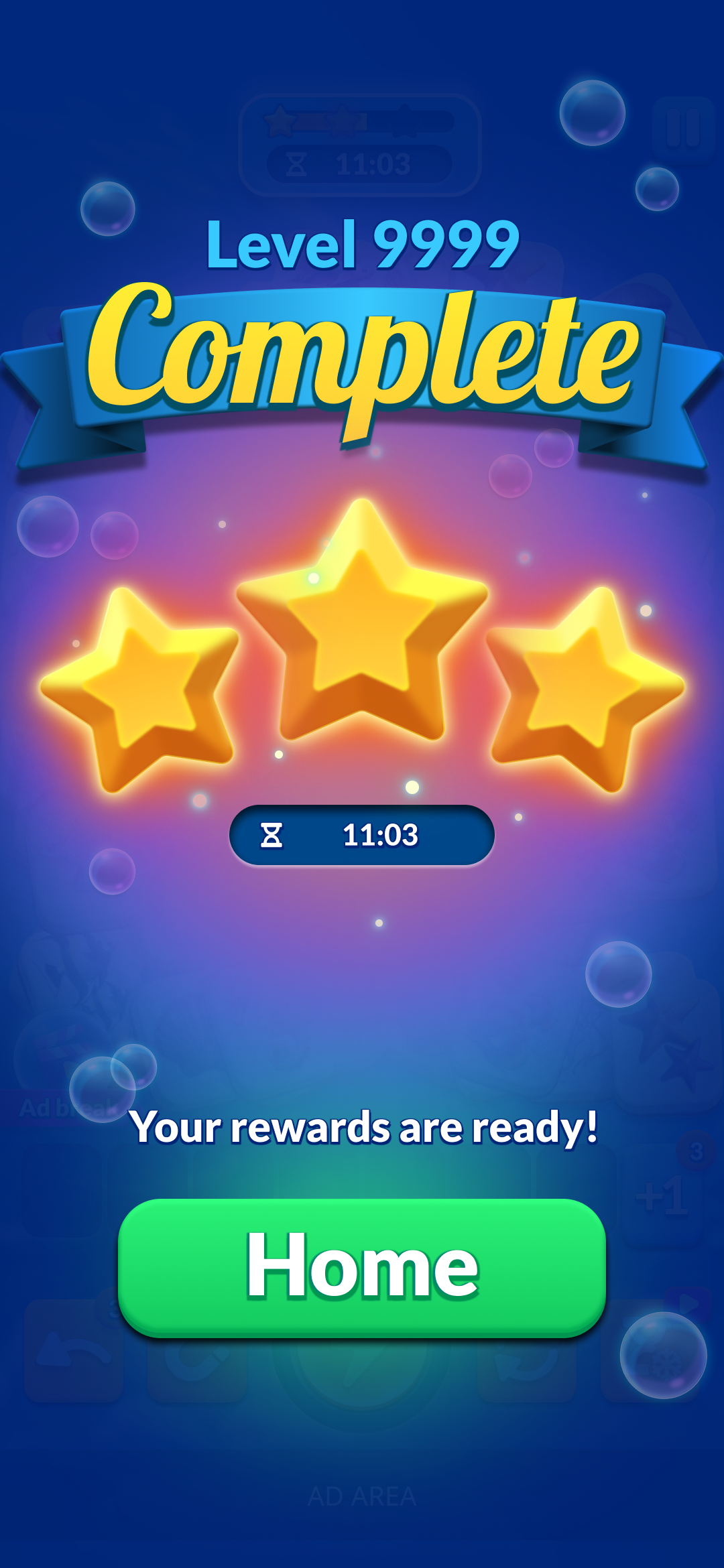
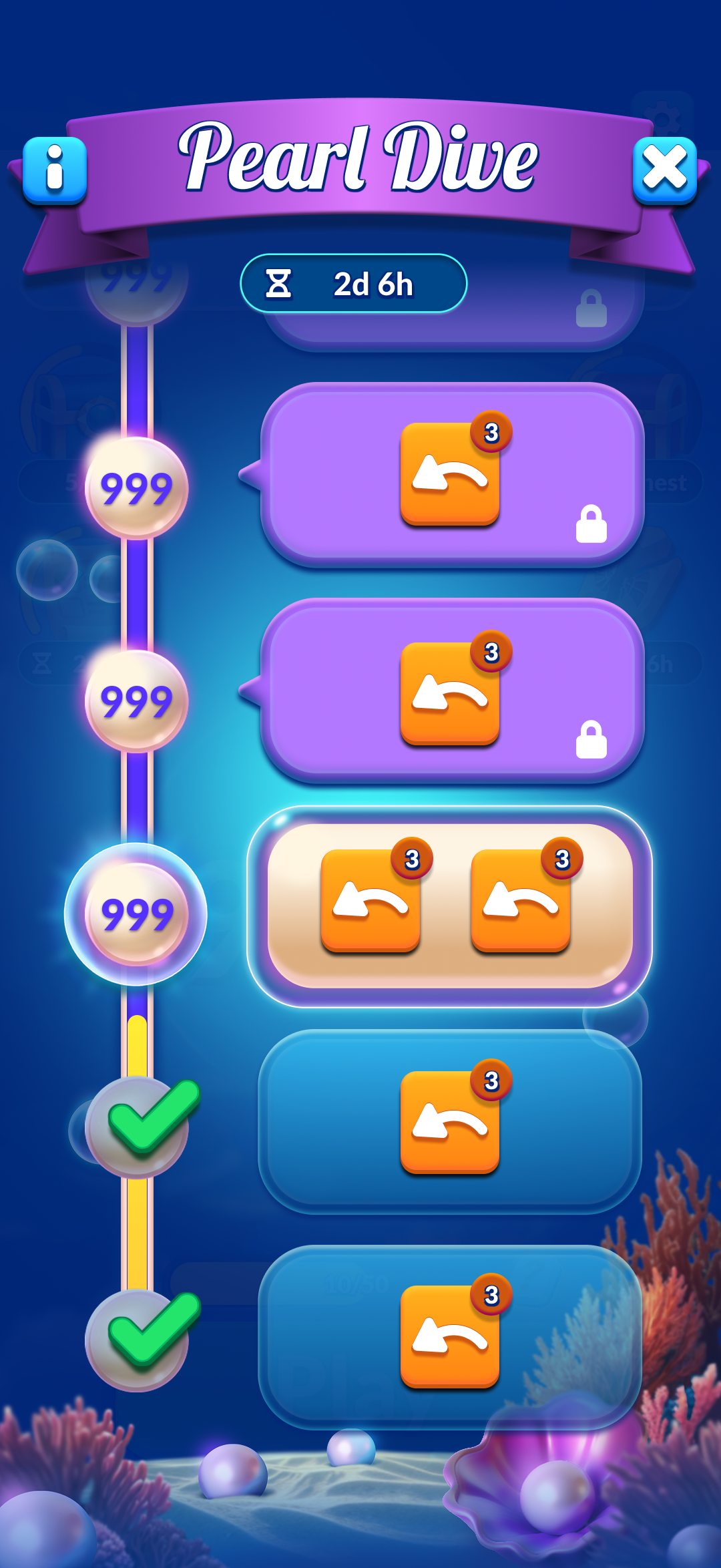
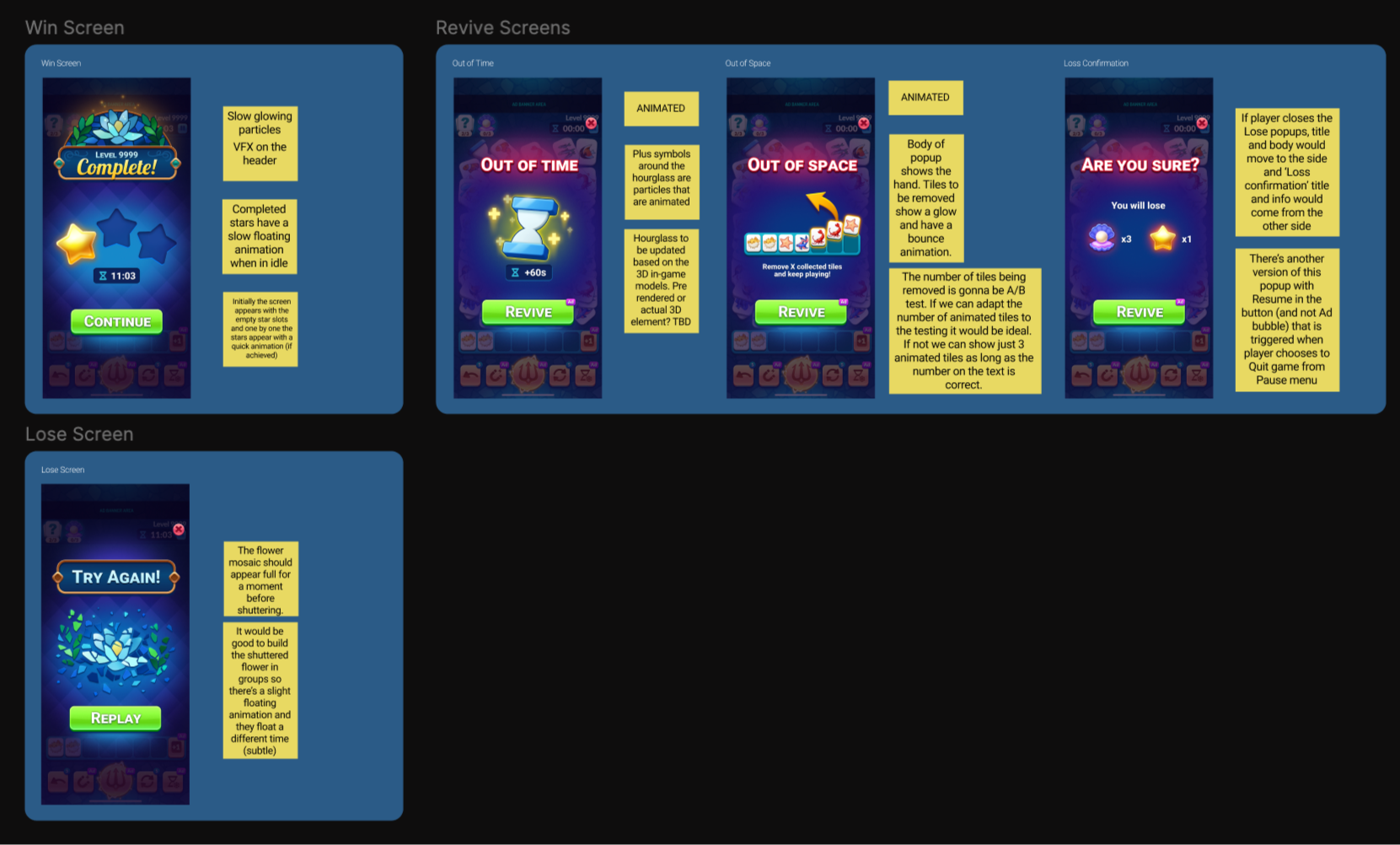
Team Credits:
Associate Lead Artist: Josu Nanclares
Senior Artist: Bruno Pavao De Oliveira
Standardising workflows
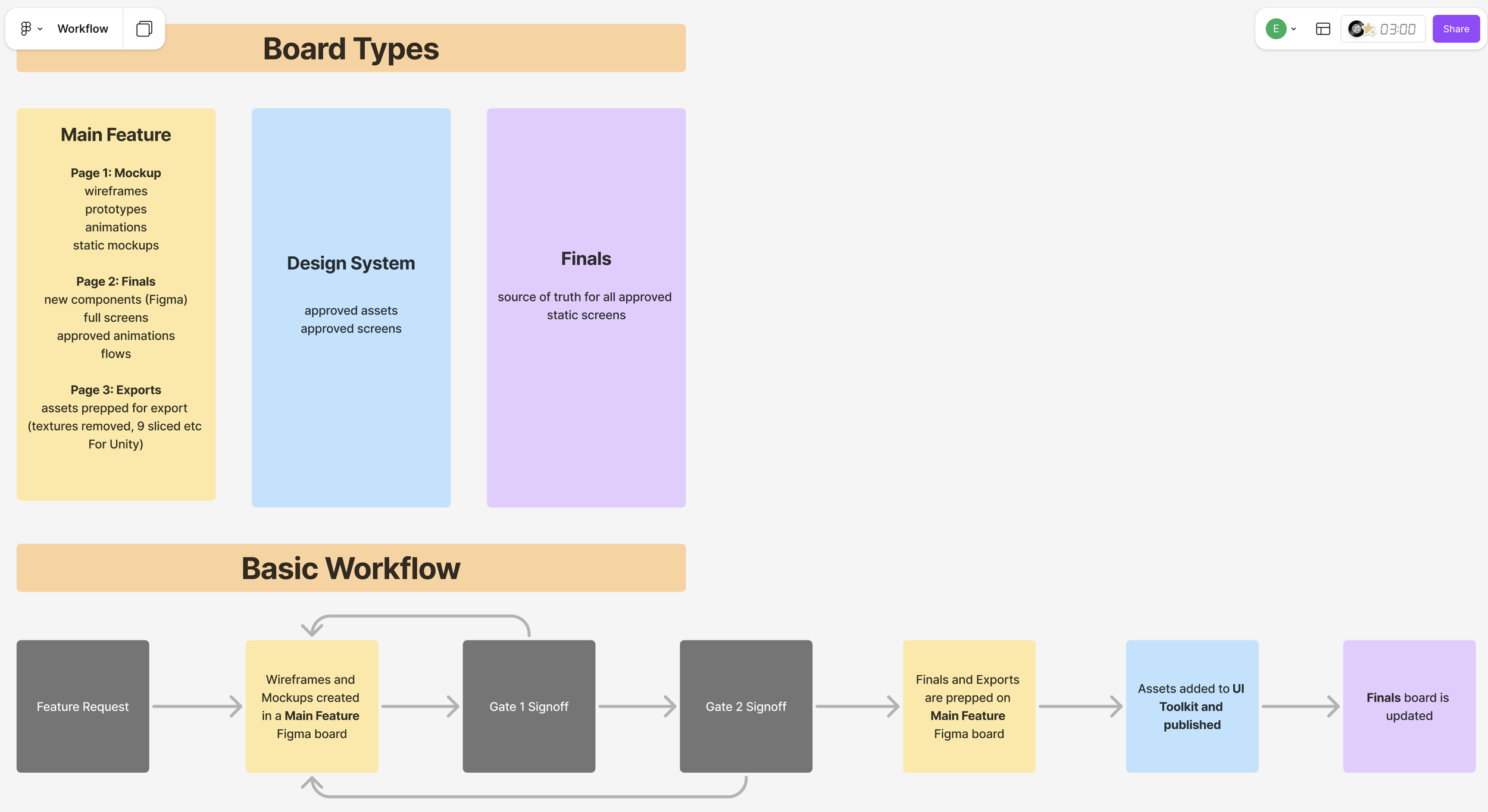
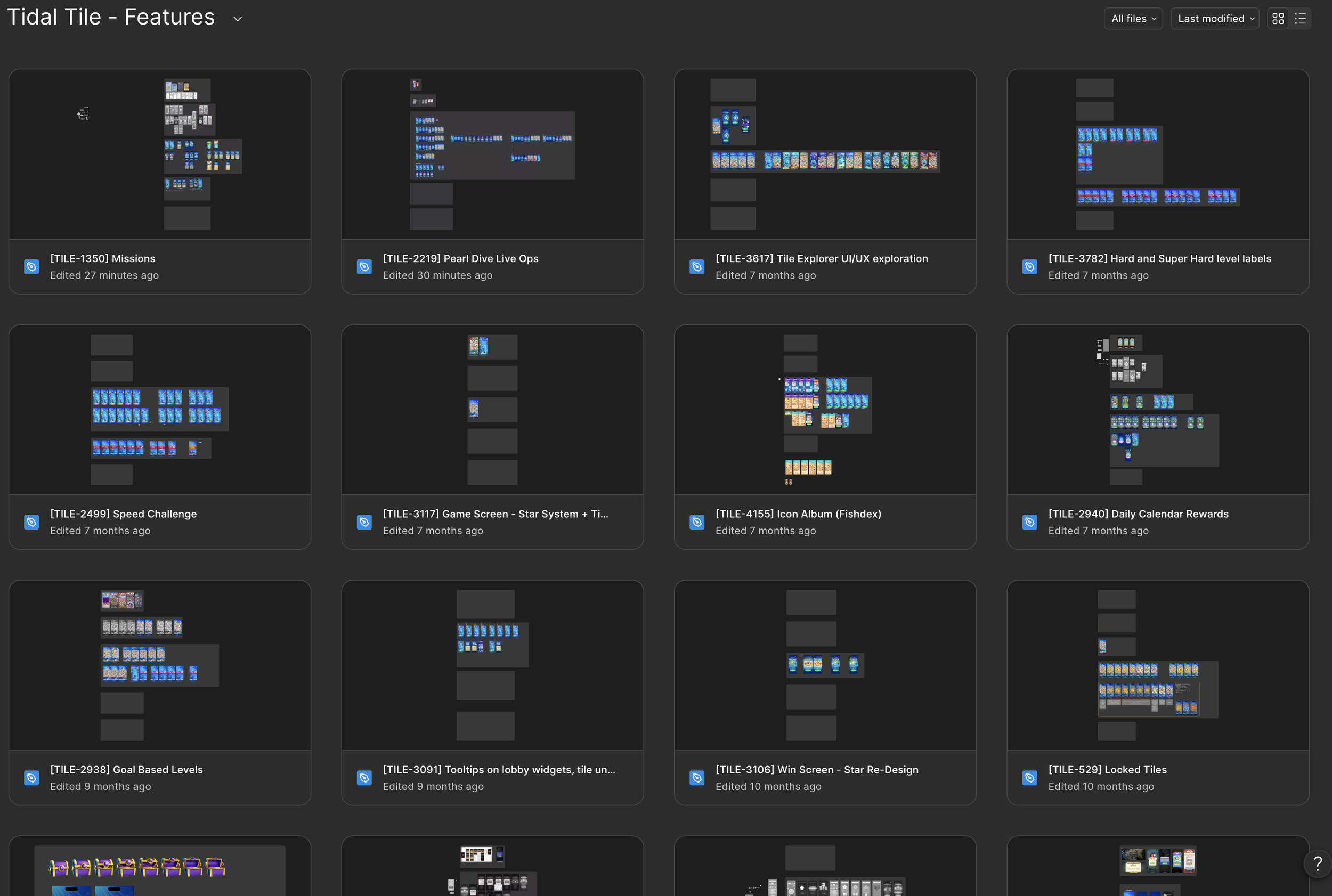
As part of the project revamp, I wanted to bring greater consistency and transparency to the way the team worked. The goal was to create a process that anyone, whether in QA, Product, Tech Art, Engineering, or Business Analysis, could quickly understand and navigate. Finding projects, components, user flows, and documentation should not require tribal knowledge, it should be obvious where everything lives and which assets represent the source of truth.
To support this, I established a standardised Figma project structure and workflow that was used across the team. By organising files, components, documentation, and development handoff materials in a consistent way, we reduced confusion, improved collaboration across disciplines, and made it much easier for developers and QA to identify the latest designs and implementation requirements. The result was a more open and accessible design process, where every discipline had visibility into how work was created, organised, and delivered.